
SHOOT
Photography Tips — Blog
5 Ways to Prepare
for Your Professional
Photoshoot
14 April 2026
JSM Media Group
6 min read
Photography Tips
Home
/
Blog
/
5 Ways to Prepare for Your Photoshoot
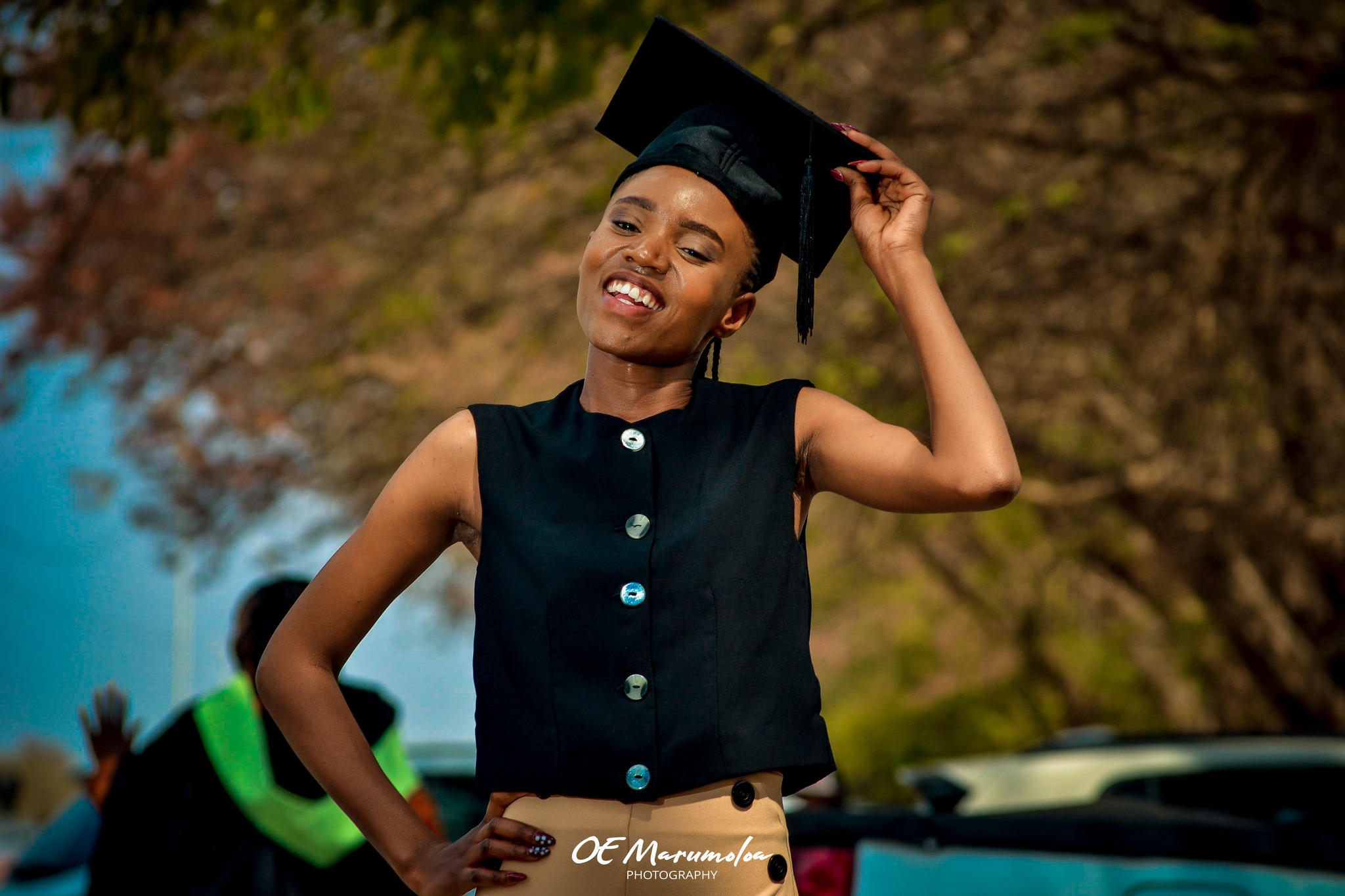
A professional photoshoot is an investment — in your brand, your memories, and your story. Whether it’s a graduation portrait, a corporate headshot, or a milestone event, the difference between good photos and unforgettable photos often comes down to preparation.
Behind the scenes — JSM Media Group on location
Choose the Right
Outfits
Your clothing sets the tone for every single frame. What you wear communicates your personality before the camera even clicks. The goal is to choose outfits that feel authentically you while also translating well through a lens.
Avoid loud patterns, heavy logos, or overly trendy pieces that may look dated in a few years. Solid colours and classic cuts age beautifully. If you’re booking a milestone shoot — like a graduation or a matric dance — your formal attire is already sorted, but consider bringing a second outfit for lifestyle shots after the ceremony.
Lay out all your outfit options the night before and photograph them. Review how they look on camera rather than in a mirror — the difference can be surprising. Avoid white-on-white combinations, and if shooting outdoors, think about how your colours contrast with the environment.
Scout Your
Location
Location is one of the most powerful compositional tools in photography. Even the most stunning subject can be let down by a cluttered or poorly lit background. If you have input into where the shoot takes place, spend time researching the space beforehand.
Think about the direction of natural light at different times of day, interesting architectural elements, texture contrasts, and depth. Some of the most compelling portraits we’ve captured at JSM have been in simple, unexpected spots — a corridor, a doorway, a garden wall — where the light was doing something extraordinary.
The best location is rarely the most obvious one. Look for light first, then background, then foreground interest. The subject is always the hero — everything else is just the stage.
JSM Media Group — Creative Direction
Natural window light — Royal Marang, Rustenburg
Outdoor architectural backdrop session
Rest & Take Care
of Yourself
This sounds simple, but it’s one of the most overlooked aspects of shoot preparation. A good night’s sleep before a photoshoot makes a visible difference — in your skin, your posture, and the energy you bring to every frame.
Stay hydrated in the days leading up to the shoot. Avoid alcohol the night before. If you’re doing hair or makeup, plan this for the morning of the shoot rather than the night before, and communicate your style preferences to your artist so they can complement the setting and lighting conditions planned.
- Get at least 7–8 hours of sleep the night before
- Moisturise your skin 2–3 days prior for a healthy glow under lights
- Eat a proper meal before the shoot — low energy shows in photographs
- Avoid heavy sodium meals the day before to reduce puffiness
- Communicate any skin concerns to your photographer in advance
Brief Your
Photographer
Every great photograph begins with a conversation. The more clearly you can communicate your vision, references, and non-negotiables to your photographer, the more accurately they can execute on it. Think of it as a creative brief — not just a booking.
Share mood board images, describe the feeling you want the final gallery to have, mention any specific shots that are must-haves, and flag any insecurities or angles you’d prefer to avoid. A good photographer will listen, adapt, and use this brief to inform every creative decision they make on the day.
01
Create a Shot List
Write down every specific shot you want captured — solo portraits, group shots, detail close-ups, and candids. Share this with your photographer at least 48 hours before the shoot so they can plan timing and positioning accordingly.
02
Share a Mood Board
Collect 8–12 reference images that capture the mood, tone, and style you’re aiming for. Pinterest boards work well. These give your photographer a visual language to work from and reduce guesswork on the day.
03
Discuss the Edit Style
Do you want warm tones or cool? High contrast or soft and airy? Heavy retouching or natural skin? These decisions affect post-production significantly, so aligning on this before the shoot saves time and ensures the delivered gallery matches your expectations.
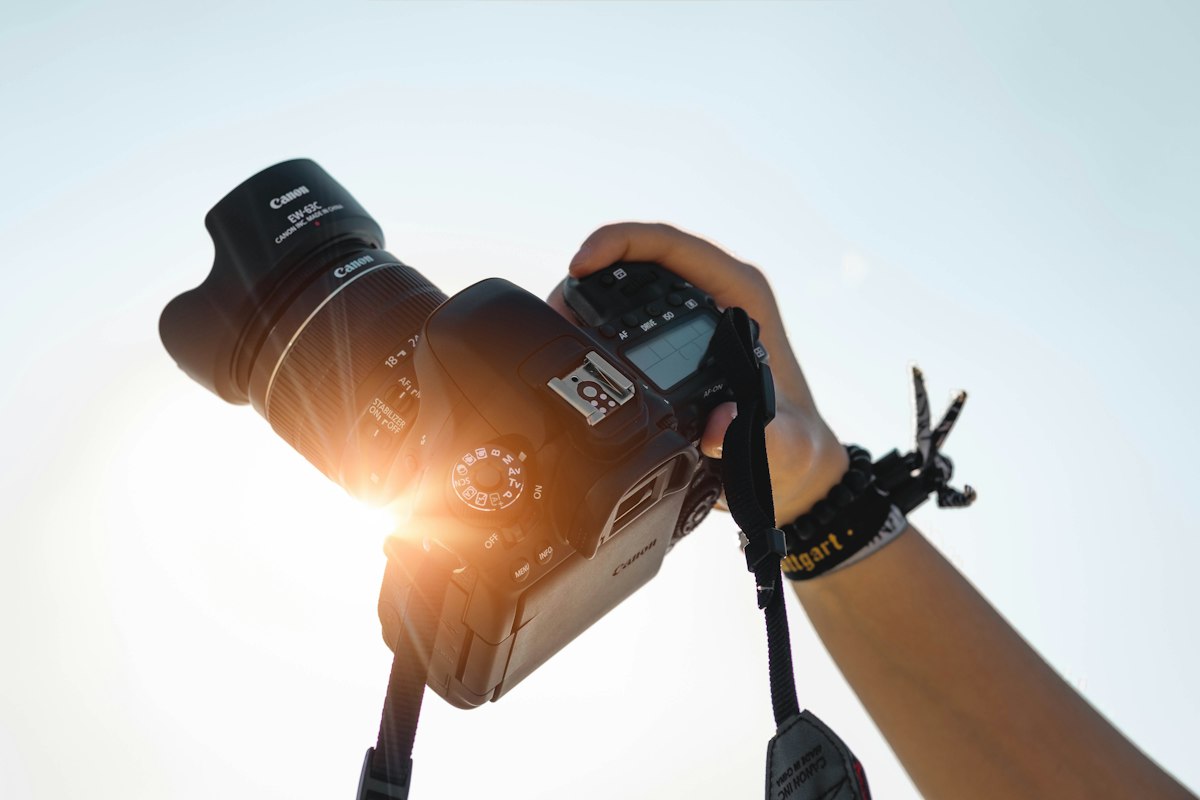
On location with JSM Media Group — Rustenburg, 2026
Arrive Early &
Relax
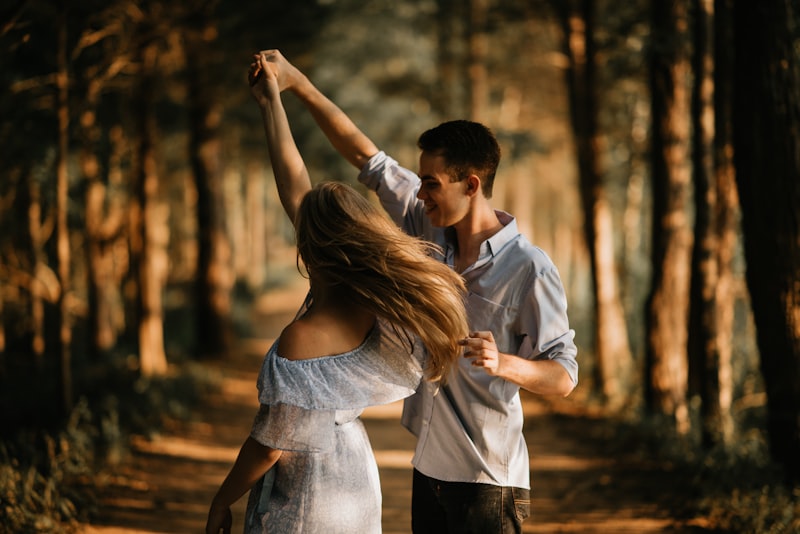
The camera picks up tension. Stiff shoulders, a forced smile, darting eyes — it all reads on film. Arriving to your shoot with time to spare gives you the opportunity to settle into the space, connect with your photographer, and let the nervous energy dissipate before the first frame is captured.
Use the first few minutes of a shoot as a warm-up. Walk around, laugh, move naturally. The best photographs almost always happen when subjects forget they’re being photographed. Your photographer’s job is to create the environment for that — your job is simply to show up and trust the process.
Arrive 15–20 minutes before your scheduled shoot time. Use that window to change into your first outfit, touch up your hair and makeup, and have a genuine conversation with your photographer. The rapport you build in those first few minutes will show in your final images.
At JSM Media Group, we build time into every session for this settling-in period. We believe the best results come not from rushing through a shot list, but from creating space for real moments to unfold. That’s what separates a good photograph from a photograph you’ll keep for the rest of your life.
Photography Tips
Portraits
Behind the Lens
Client Guide
JSM Blog
Share this post
Facebook
WhatsApp
Copy Link
More Posts
You’ll Enjoy
Events
Matric Dance Photography — What to Expect on the Night
28 March 2026
Milestones
Graduation Day — A Complete Photography Planning Guide
12 March 2026
Corporate
Why Your Business Needs Professional Headshots in 2026
5 February 2026
BOOK NOW
Your Story Deserves to Be Told
Let’s Create
Something Timeless
Graduations, matric dances, corporate shoots, and life’s biggest moments — we’re here to capture every one of them.
Book a Session
+27 66 596 7931

Leave a reply